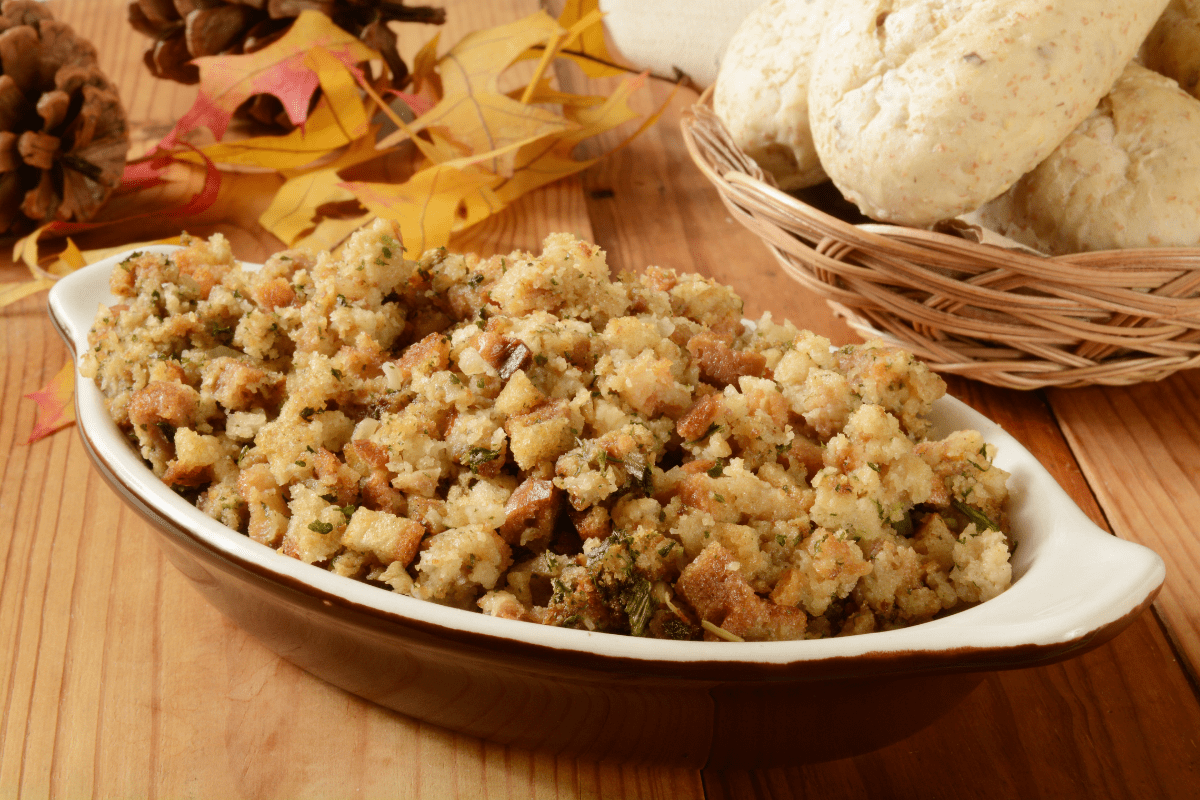
Regional Stuffing Guide: US Thanksgiving Traditions & Classic Flavors
Thanksgiving dinner is a tapestry woven with cherished traditions, and at its heart lies a dish that evokes warmth, comfort, and the unmistakable taste of the holidays: stuffing. While the roast turkey often takes center stage, it's the savory sidekick – that delectable mix of bread, herbs, and aromatics – that many guests truly look forward to. From the moment its comforting aroma fills the kitchen, you know the festive season has truly arrived. But what makes a great stuffing? And does it truly taste the same from coast to coast?
Indeed, the world of Thanksgiving stuffing is far richer and more diverse than many realize. While a classic
herb stuffing recipe serves as a beloved baseline for many American families, regional variations tell a fascinating story of local ingredients, culinary heritage, and cultural influences. Join us on a culinary journey to explore not only the quintessential flavors of a traditional herb stuffing but also the unique twists and traditions that make this holiday staple a truly American mosaic.
The Heart of Thanksgiving: Classic Herb Stuffing
For many, the quintessential Thanksgiving side dish is a perfectly executed
Classic Homemade Herb Stuffing: A Must-Make Thanksgiving Side Dish. This iconic dish is a testament to the power of simple ingredients combined with thoughtful preparation. At its core, traditional
herb stuffing relies on a harmonious blend of dried bread cubes, sautéed aromatics, and a fragrant medley of herbs, all moistened with savory broth and baked to golden perfection.
The flavor profile is typically robust and earthy, defined by ingredients like:
- Dried Bread: Often white bread, cut into 1-inch cubes and dried out to prevent sogginess. This crucial step ensures the bread acts as a sponge for all the delicious flavors without turning mushy. For tips on achieving this, check out our guide on Easy Herb Stuffing Recipe: The Secret to Never-Soggy Perfection.
- Aromatics: Finely diced yellow onions and celery are non-negotiable, often joined by garlic, providing a foundational layer of savory sweetness when sautéed in butter.
- Herbs & Spices: The "herb" in herb stuffing typically highlights poultry seasoning, thyme, sage, and sometimes rosemary. These herbs are the symphony conductors, orchestrating the classic "holiday" flavor. A dash of seasoned salt and black pepper completes the seasoning profile.
- Broth & Butter: Chicken or vegetable broth adds essential moisture and flavor, binding the ingredients together. Generous amounts of melted butter enrich the mixture, contributing to a truly decadent texture.
The preparation usually involves sautéing the vegetables in butter until tender, stirring in the herbs and spices, then gently tossing this aromatic mixture with the dried bread cubes and broth. An optional egg can be added to help bind everything together, creating a more cohesive texture. Once mixed, it’s spooned into a baking dish and baked until heated through, with a delightful crispy top and moist, flavorful interior. This method, emphasizing dried bread and thoughtful seasoning, ensures a stuffing that's both comforting and packed with taste.
A Culinary Map: Regional Stuffing Variations Across the US
While the classic
herb stuffing holds a special place, the beauty of American Thanksgiving lies in its regional diversity. What one family calls "stuffing," another might call "dressing," and the ingredients can vary dramatically, reflecting local agricultural traditions, historical migrations, and cultural influences.
Let's take a gastronomic tour of stuffing traditions:
-
The North (Northeast & Mid-Atlantic): This region is often the bastion of what many consider traditional herb stuffing. It leans towards an earthy, "stick-to-your-ribs" kind of vibe, heavy on savory herbs like sage and thyme, plenty of onions and celery, and typically made with white or whole wheat bread. It’s hearty, robust, and the perfect comforting foil to a cold autumn day.
-
The Carolinas: Rice Dressing: Venture down to the Carolinas, and you might find that the traditional "stuffing" is actually a savory rice dressing. Here, white rice replaces bread as the base, often cooked with broth, sautéed vegetables (the usual suspects like onion and celery), and sometimes ground pork or sausage, offering a distinctly different texture and flavor profile that’s less about bread and more about a grain-based savoriness.
-
The Deep South: Cornbread & Oyster Dressing: The Deep South boasts some of the most distinctive stuffing variations. Cornbread dressing is king, utilizing crumbled cornbread (often day-old) instead of wheat bread. This imparts a unique texture and subtly sweet, rustic flavor. It’s frequently enriched with smoked meats like andouille sausage, bacon, or diced ham, and sometimes pecans or even bell peppers. Another beloved Southern tradition is Oyster Dressing, a decadent affair where fresh oysters and their briny liquor are folded into a bread or cornbread base, creating a rich, seafood-infused holiday treat. These variations speak to the agricultural bounty and culinary heritage of the region.
-
The Midwest & Chicago: Diverse Breads & Classic Flavors: The Midwest, particularly areas like Chicago, reflects its diverse cultural melting pot in its stuffing traditions. While classic herb stuffing remains incredibly popular, the choice of bread can be more varied. You might find versions incorporating pumpernickel, rye, or even brioche, bringing different textural and flavor dimensions to the dish. However, the core elements of sautéed aromatics, poultry seasoning, and a rich broth remain steadfast, solidifying a "typical Midwest version" that often defines the standard for many.
-
California: Sourdough Stuffing: On the West Coast, particularly in California, the popular local staple of sourdough bread finds its way into Thanksgiving stuffing. The distinctive tangy flavor and chewy texture of sourdough lend a sophisticated and slightly brighter note to the dish, pairing wonderfully with traditional herbs and aromatics while offering a refreshing twist on the classic.
-
The Southwest: Tamale Stuffing: In the Southwestern United States, a truly unique and vibrant tradition emerges: corn-based tamale stuffing. This creative take swaps bread entirely for a masa (corn dough) base, often filled with savory pork, spicy hot chilies, and surprisingly, sweet raisins. It's a testament to the strong Mexican and Native American culinary influences in the region, offering a festive and profoundly flavorful dish that’s unlike any other stuffing in the country.
These regional differences highlight not just variations in ingredients, but also how food traditions reflect the identity and history of a place, making Thanksgiving dinner a truly fascinating culinary journey.
Crafting Your Perfect Herb Stuffing: Tips for Success
Whether you're sticking to the classic or experimenting with regional twists, achieving a truly stellar
herb stuffing requires a few key techniques and considerations. It's more than just mixing ingredients; it's about balance, texture, and flavor development.
Here are some practical tips to elevate your homemade stuffing:
-
The Bread is Key: Never use fresh, soft bread. Day-old or properly dried bread is paramount for a non-soggy stuffing. You can air-dry cubed bread on a baking sheet for 1-2 days, or toast it in a 300-350°F oven for 10-15 minutes until lightly golden and firm. This ensures the bread can absorb the flavorful liquids without collapsing. While white bread is traditional, don't shy away from challah, brioche, or sourdough for added richness and complexity.
-
Aromatics, Amplified: Don't rush the sautéing of your onions, celery, and garlic. Cooking them gently in butter until they are translucent and slightly softened unlocks their full flavor potential, sweetening them and creating a robust foundation for your stuffing. Consider adding minced garlic for an extra layer of pungency and depth.
-
Herb Wisdom: While dried herbs are convenient and effective, don't underestimate the power of fresh herbs. A combination of both can offer the best of both worlds. Add dried herbs like poultry seasoning, thyme, and sage to the sautéing vegetables to bloom their flavors in the hot butter. Stir in some fresh chopped parsley, sage, or rosemary at the end for a brighter, more vibrant finish. Taste and adjust seasonings as you go!
-
Moisture Control: This is where many stuffings go wrong. Add broth gradually, tossing gently, until the bread cubes are thoroughly moistened but not drenched. You want them to be able to absorb a little more liquid during baking. A general rule of thumb is about 1 to 1.5 cups of broth per 8-10 cups of bread cubes, but always adjust based on how dry your bread is. An egg, beaten and mixed in, can help bind the stuffing, especially if you prefer a firmer, more cohesive texture.
-
Texture Play: For crispy edges and a moist interior, bake your stuffing uncovered for the first portion of the baking time, then cover loosely with foil if it's browning too quickly, and uncover again for the last 10-15 minutes to crisp up the top. If you prefer a uniformly moist stuffing, keep it covered for most of the baking process.
-
Exciting Add-ins: Take your herb stuffing beyond the basics! Sautéed mushrooms, cooked crumbled sausage (pork, turkey, or even vegetarian), toasted pecans or walnuts, dried cranberries, or diced apples can introduce wonderful new dimensions of flavor and texture.
Beyond the Bird: Serving and Pairing Your Stuffing
While stuffing is famously served alongside a grand roasted turkey, its versatility extends far beyond its traditional role as a holiday side. A well-made
herb stuffing is so delicious that it often steals the show, becoming a dish that people crave year-round.
When serving, consider not just its accompaniment to turkey and gravy, but also its role on a larger holiday plate. It pairs beautifully with rich meats like prime rib, roasted chicken, or even a savory ham. The earthy, aromatic notes of a classic herb stuffing also complement a variety of vegetable sides, from green bean casserole to roasted Brussels sprouts.
Leftovers are a treasure! Reheat stuffing gently in the oven, covered with foil to retain moisture, or crisp it up in a skillet with a little butter for a delightful breakfast hash. It's also fantastic when pressed into a waffle iron for crispy stuffing waffles – a perfect base for leftover turkey and cranberry sauce.
The simple joy of a truly great stuffing can transform an ordinary meal into something special, making it a beloved dish that holds its own on any table.
Ultimately, whether you lean into the familiar comfort of a classic
herb stuffing or venture into the vibrant regional variations that dot the American culinary landscape, this beloved side dish embodies the spirit of Thanksgiving. It's a reminder of tradition, community, and the simple pleasure of sharing delicious food with loved ones. So this holiday season, embrace the aromas, savor the flavors, and perhaps even start a new stuffing tradition of your own.